
Reduces hospital-acquired infections and supports safer care environments for patients and staff.
Medical students, nurses, doctors, public health officers, IPC specialists
Stay in a volunteer house or a homestay
Programs start on the 1st and 15th of every month
The Infection Prevention & Control (IPC) Practice program focuses on promoting safe, hygienic healthcare environments and reducing the spread of infections in community clinics, hospitals, and public health centers. Volunteers support local healthcare teams in strengthening everyday IPC practices that protect patients, staff, and the wider community.
This program is ideal for individuals interested in public health, nursing, environmental health, or medical support roles. Volunteers do not perform clinical procedures but assist with essential non-clinical tasks that improve sanitation, safety, and awareness.
Key Volunteer Responsibilities:
Assisting with cleaning and disinfecting high-touch surfaces and public areas
Helping maintain proper hand-washing stations and hygiene supplies
Supporting waste segregation and safe disposal practices
Monitoring basic hygiene standards in waiting areas, wards, and community spaces
Assisting with organizing protective equipment such as gloves, sanitizers, masks, and gowns
Participating in community outreach on hygiene practices, infection control, and disease prevention
Helping staff educate patients on handwashing, respiratory hygiene, and general infection prevention methods
Program Impact:
Volunteers play a meaningful role in reducing infection risks, improving hygiene standards, and supporting healthcare teams with essential tasks that safeguard vulnerable patients. Their contribution helps facilities operate more effectively, encourages positive behavioral change in communities, and strengthens overall public health systems.
This program is well-suited for anyone eager to gain experience in health promotion, environmental hygiene, and practical infection control while making a valuable difference in community health.
Submit a free application so we can confirm your eligibility and check availability for your preferred dates.
Not sure which program to join?
Arusha Region, located in northern Tanzania, is a vibrant cultural and economic hub—and one of East Africa’s most popular volunteer and travel destinations. Often called the “safari capital of the world,” Arusha is surrounded by world-famous attractions including Serengeti National Park, Ngorongoro Crater, Mount Meru, Lake Manyara, Tarangire National Park, and easy access to Mount Kilimanjaro. The region is home to diverse communities—urban neighborhoods, rural farming villages, and traditional Maasai communities—providing rich cultural exchange and meaningful grassroots engagement. Arusha also hosts a wide network of public, private, and faith-based health facilities, offering volunteers opportunities to support outpatient care, maternal and child health, HIV programs, health education, preventive services, and community outreach. With welcoming residents, stunning landscapes, and strong community partnerships, Arusha provides a safe, inspiring, and impactful environment for volunteers working with HGO.
Once volunteers confirm participation and complete program booking with HGO, our team begins preparing for their arrival. Volunteers are received warmly at Kilimanjaro International Airport (KIA) or Arusha Airport (ARK), where an HGO representative provides safe, reliable transport to their accommodation in Arusha. After settling in, volunteers participate in a comprehensive orientation session, designed to ensure a smooth transition and successful experience.
During orientation, volunteers are introduced to HGO’s mission, program expectations, safety guidelines, work schedules, and support structures. The team also provides a guided overview of Arusha City, including essential services such as hospitals, shops, transportation options, communication services, and nearby attractions.
To promote respectful engagement, volunteers receive cultural briefings covering Tanzanian lifestyle, values, social norms, traditions, communication styles, dress expectations, and community taboos—including topics such as respectful greetings, privacy, photography etiquette, religious sensitivity, gender interactions, and appropriate behavior in rural or Maasai communities.
Orientation also includes a discussion of the health system, local community dynamics, and volunteering roles within partnering health facilities and outreach programs. Volunteers may also enjoy a short city tour to familiarize themselves with the local environment.
Through this structured and friendly arrival process, HGO ensures every volunteer feels safe, welcomed, informed, and fully prepared to begin their meaningful journey in Arusha.
A:First Day Schedule – Arrival & Orientation
08:00 – 09:00 — Breakfast at accommodation
09:00 – 09:30 — Welcome briefing at HGO office
09:30 – 11:00 — Program orientation (roles, expectations, safety, contacts)
11:00 – 12:00 — Introduction to HGO staff & volunteer coordinators
12:00 – 13:00 — Lunch break
13:00 – 14:30 — Cultural orientation: customs, language basics, community norms & taboos
14:30 – 16:00 — Short city tour: essential shops, banks, SIM cards, transport, hospitals
16:00 – 17:00 — Placement briefing & schedule confirmation
Evening — Rest, settle in, optional welcome dinner
Purpose: Help volunteers feel confident, informed, safe, and ready to begin placement.
B:Weekday Volunteer Schedule
07:00 – 08:00 — Breakfast & preparation
08:00 – 08:30 — Travel to placement site
08:30 – 12:30 — Volunteer work (clinical observation, patient support, health education, community outreach, documentation, facility assistance)
12:30 – 13:30 — Lunch break
13:30 – 15:00 — Continued volunteer activities or community engagement projects
15:00 – 16:30 — Daily debrief with supervisor/mentor
16:30 – Evening — Free time (rest, explore Arusha, cultural activities, language practice, optional safari planning)
C:Weekends:
Please note that the schedule may occasionally change due to weather, public or school holidays, or other unforeseen events that could affect your placement
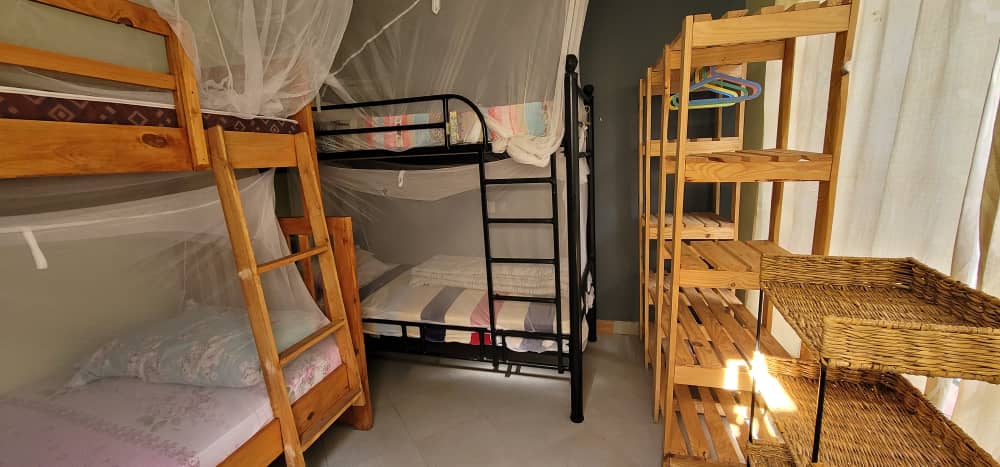
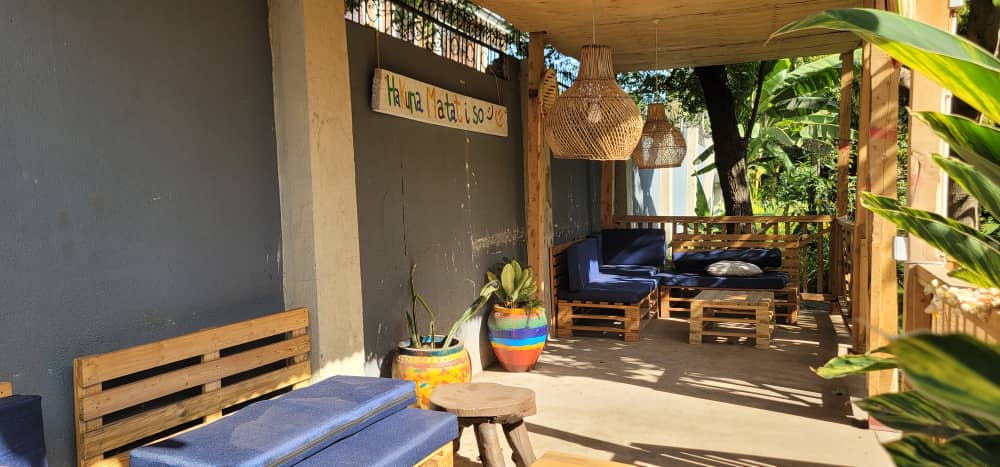
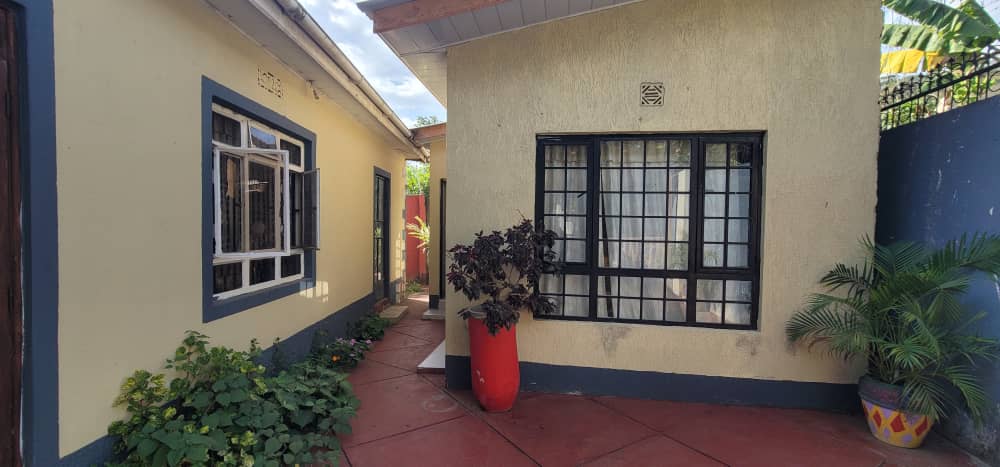
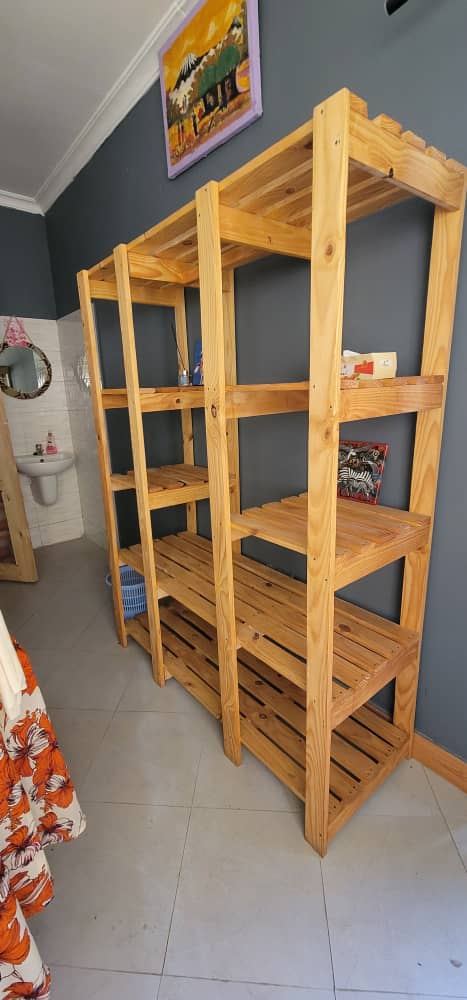
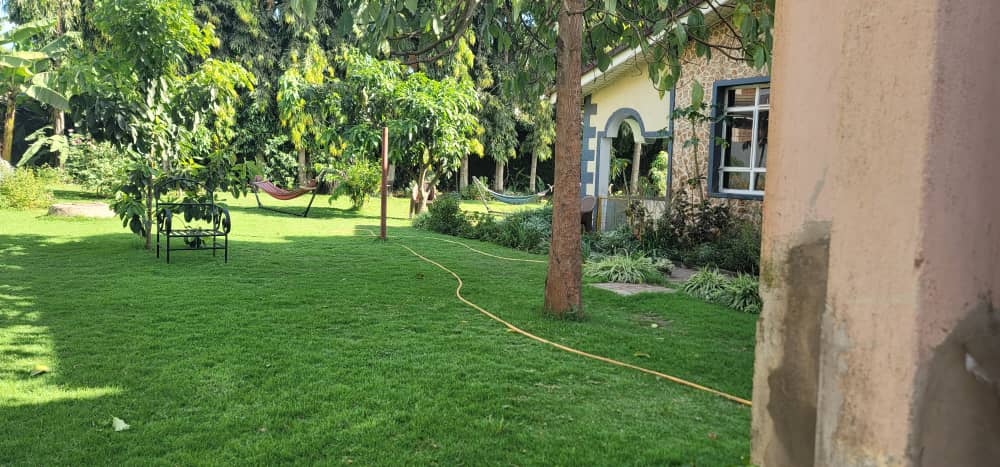
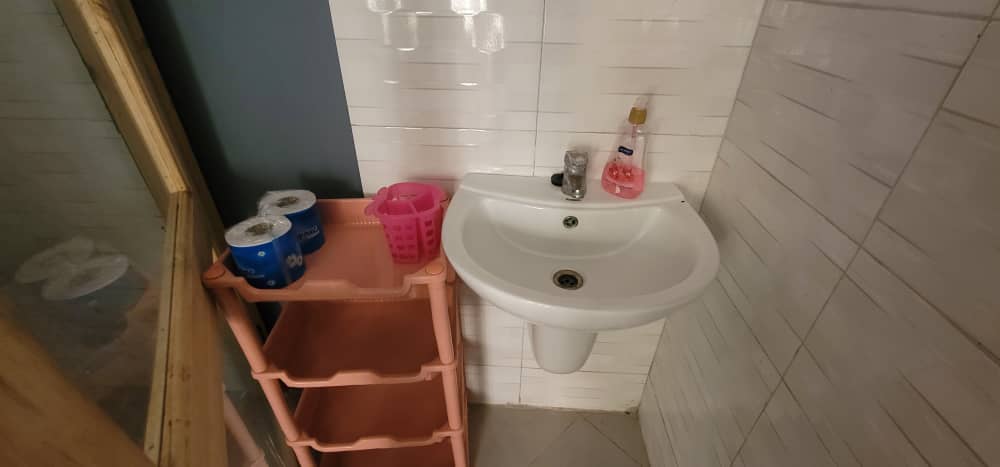
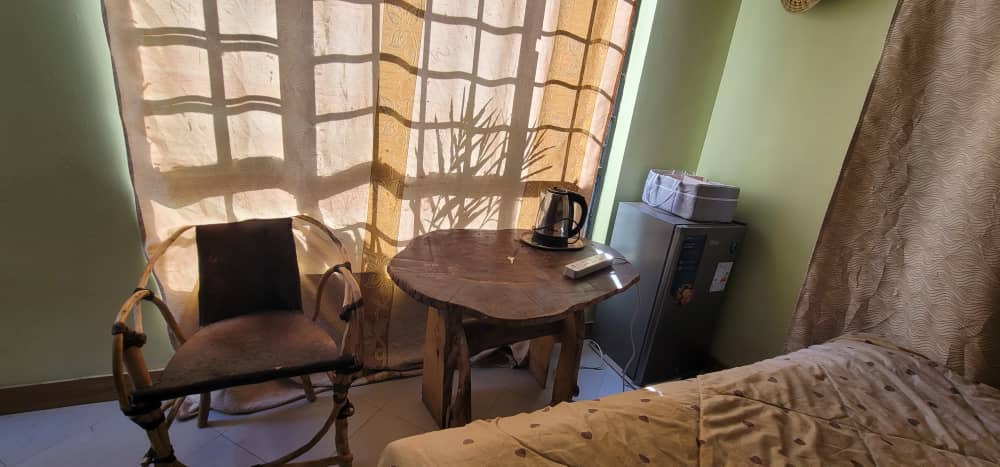
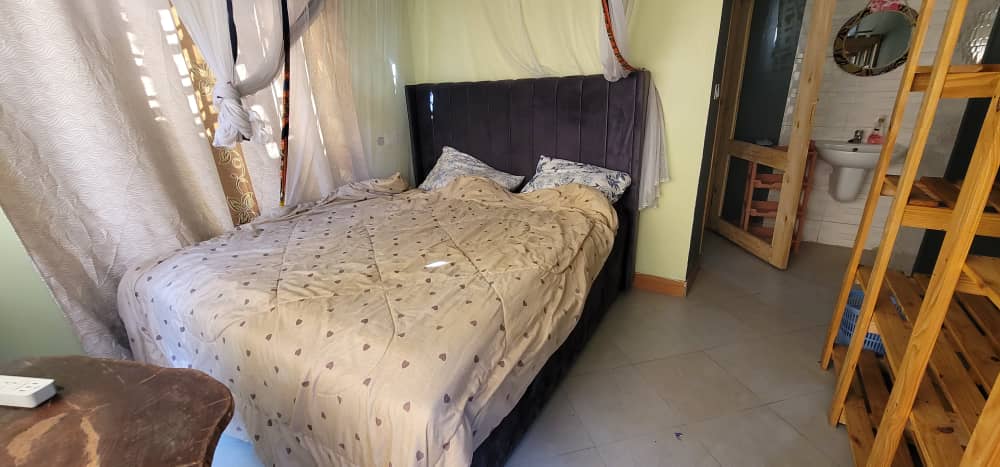
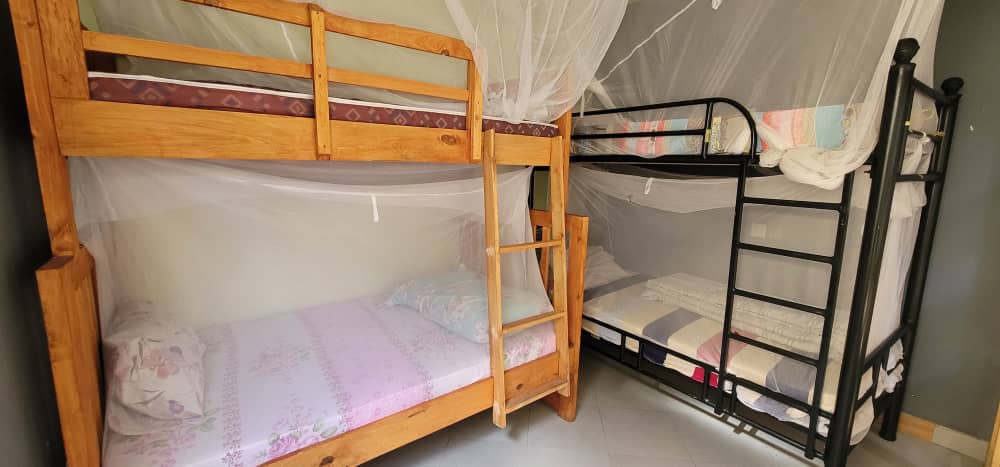
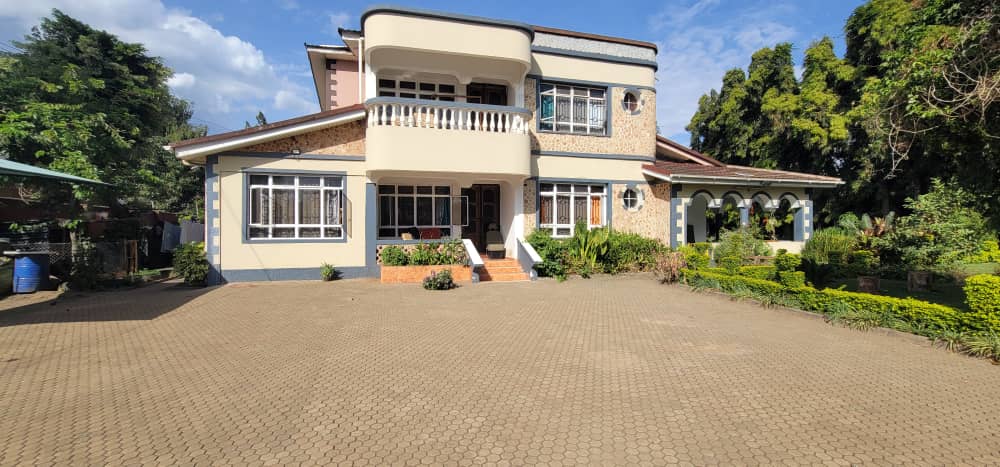
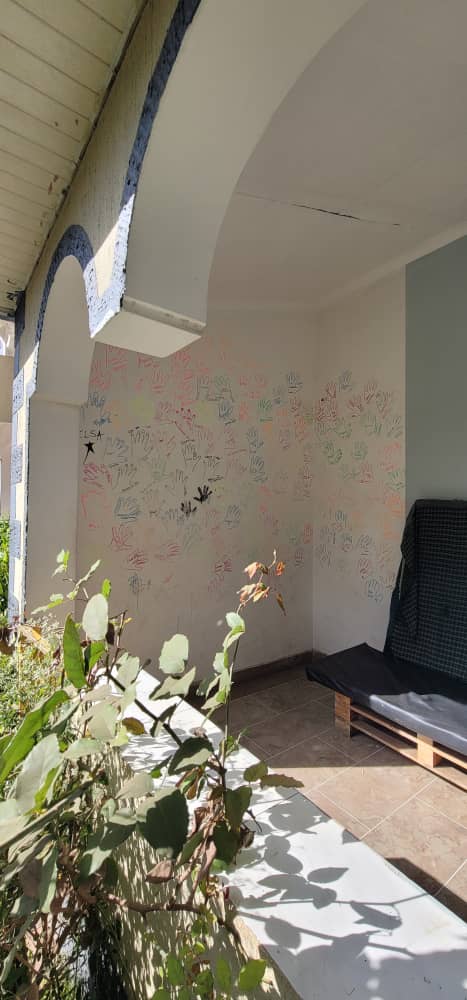
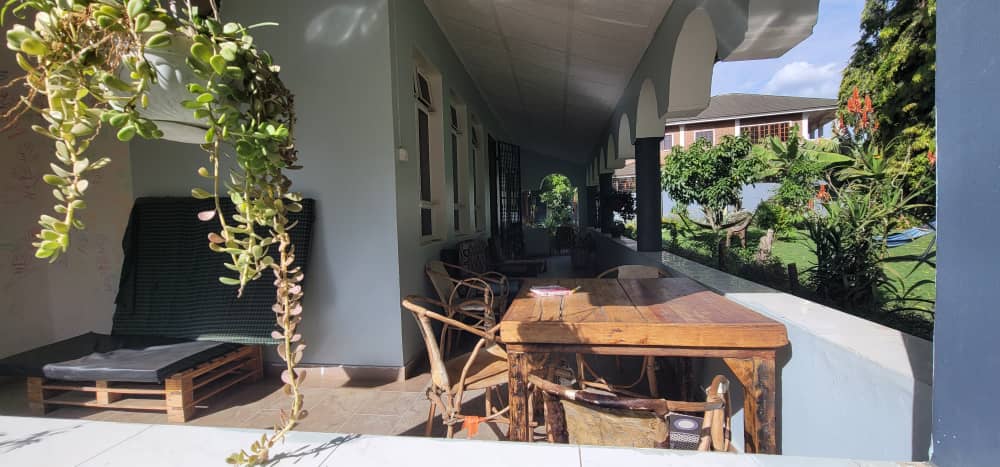
Volunteers with HGO are hosted in safe, comfortable dorm-style volunteer houses or homestays located in Sakina, Arusha. Our local team currently manages three volunteer houses—ideal for younger volunteers—and one homestays, which are often preferred by families and older volunteers. Rooms are shared and separated by gender, with volunteer houses typically accommodating up to six people per room and homestays hosting a maximum of four. Larger homestays can host up to 10 volunteers.
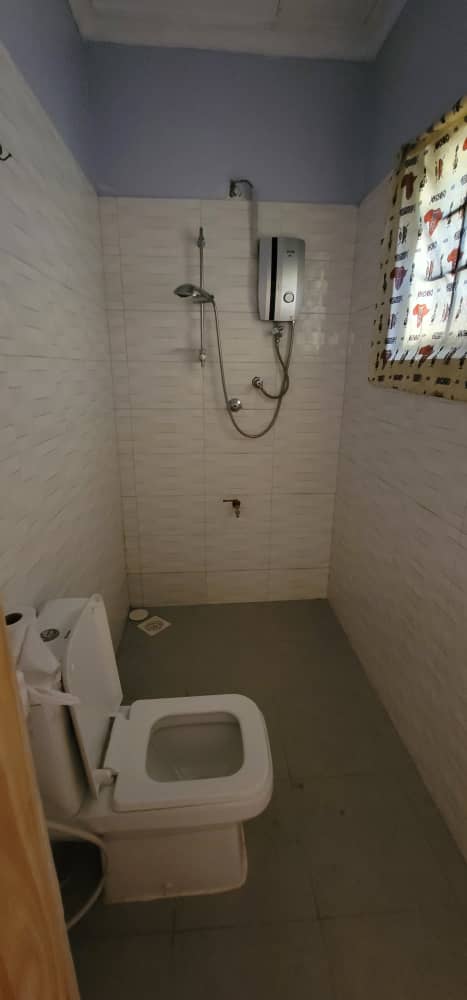
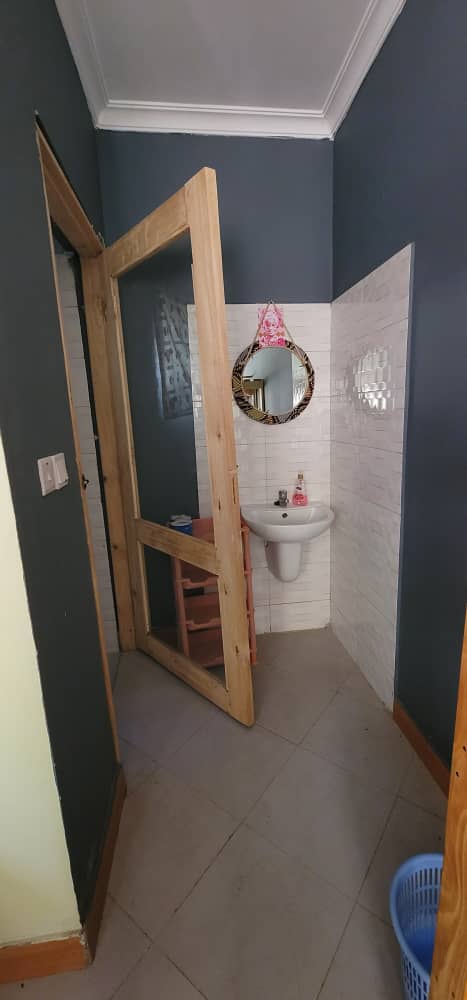
Accommodation in Arusha is modest but comfortable, with access to running water, electricity, Western-style toilets, and showers. However, occasional power outages may temporarily affect electricity or hot water—an authentic part of life in Tanzania. During peak seasons (January, June, July, and August), additional volunteers may be placed in a nearby volunteer house or a partnering hotel offering gender-separated dormitory rooms.
Wi-Fi is available in volunteer houses but may be slow or unreliable. Homestays generally do not provide Wi-Fi. Volunteers are encouraged to purchase an e-SIM before arrival or buy a local SIM card during orientation—our team will happily assist. Complimentary Wi-Fi is available at partnering hotels.
Volunteers who wish to arrive early or extend their stay can request extra accommodation nights for an additional fee, which includes three meals per day and is subject to availability. Private hotel room upgrades—with private bathrooms—can also be arranged for individuals or pairs at an additional cost.
Tanzanian cuisine varies by region, influenced by coastal produce and Indian culinary heritage. Common staples include rice, ugali (maize porridge), beans, chapatti, and vegetables, so volunteers can expect these regularly. Three meals a day are provided: breakfast may include eggs, pancakes, mandazzi, fruit, bread, and spreads, while lunch and dinner typically feature chicken, beef, beans, lentils, or vegetables served with rice, pasta, chips, or chapatti. Meals are prepared by host families, cooks at volunteer houses, or provided at partner hotels, with lunch boxes available on request. Filtered water is provided at accommodations, though bottled water is widely available and affordable. Volunteers with dietary needs should inform the team in advance ie. vegetarian, gluten-free, dairy-free, and nut-free options can be arranged, though vegan, halal, and kosher diets cannot be guaranteed. Food may differ from what you’re used to, so flexibility is important.
Tanzanian cuisine varies across the country due to differences in produce found inland and along the coast. The immigration of Khoja Indians has introduced Indian flavors to local dishes. Staple foods in Tanzania include rice, ugali (maize porridge), chapatti, and beans. Rice and beans are significant components of meals, so expect to be served these often.
Volunteers are provided with three meals a day. Breakfast typically consists of eggs served with pancakes, mandazzi (deep-fried dough balls), or cake, along with plenty of fresh fruit, bread, and a selection of jams and other spreads for toast. Lunch and dinner usually feature a traditional meat dish (chicken or beef) alongside a vegetable dish, beans, lentils, or cooked vegetables served with rice, pasta, chips, or chapatti.
Duration | Program fee |
|---|---|
1 week | $380 Equivalent to $54/day |
2 week | $658 Equivalent to $47/day |
3 week | $850 Equivalent to $40/day |
4 week | $1118 Equivalent to $39/day |
5 week | $1,345 Equivalent to $38/day |
6 week | $1,512 Equivalent to $36/day |
8 week | $1,904 Equivalent to $34/day |
10 week | $2,240 Equivalent to $32/day |
12 week | $2,520 Equivalent to $30/day |
14 week | $2,940 Equivalent to $30/day |
16 week | $3,360 Equivalent to $30/day |
Note :Estimated spending money: Volunteers in Tanzania generally find US$75-100 per week to be sufficient for transport and other personal expenses
Take your volunteer experience to the next level with these popular add-ons and experiences. Explore your options below and learn how to book them once you’ve been accepted onto the HGO Arusha program.
Capital | Dodoma |
Population | 58 million |
Languages | Swahili and English |
Currency | Tanzanian Shilling (TZS) |
Time zone | UTC+03:00 |
Tanzania is hot throughout the year and is humid on the coast and dry on the central plateau. The heavy rains last from March to June and can make unsealed road travel difficult. The hot, dry weather in January and February attracts the most tourists. The best time to visit the Serengeti is from January to March, when the grazers are calving and there are plenty of lions around. Or witness the wildebeest migration to and from Kenya, which occurs at the onset of the dry season and again with the first rains, usually around the beginning of June and mid-November.
WhatsApp us
+255797513263
Available 8:30 AM to 5:00 PM ETC.
Send us a message and one of our Volunteer Travel Specialists will be in touch.